Ever poured hours into creating stunning course content—only to watch leads vanish before checkout? You’re not alone. In the world of online education, a leaky funnel isn’t just frustrating; it’s expensive. Marketing funnel optimization examples reveal that even small tweaks can boost conversions by 20% or more (according to McKinsey). This guide cuts through the fluff with real, battle-tested strategies tailored for educators and course creators. We’ll unpack why funnels fail in digital learning, walk you through actionable fixes, and spotlight what actually works—with zero theory.
Table of Contents
- Why Your Online Education Funnel Is Leaking Students
- Step-by-Step: Fixing Your Funnel From Awareness to Enrollment
- 5 Best Practices Most Educators Ignore
- Real Marketing Funnel Optimization Examples That Worked
- Frequently Asked Questions
Key Takeaways
- Top-of-funnel friction (e.g., unclear value propositions) deters 68% of potential learners before they even consider your offer.
- Personalized email sequences increase course completion rates by up to 34%—not just sign-ups.
- Split-testing landing page CTAs can lift conversion rates by 15–25% with minimal effort.
- Marketing funnel optimization examples show retargeting ads recover 11% of abandoned carts in edtech.
Why Your Online Education Funnel Is Leaking Students
In online education, your funnel isn’t just about sales—it’s about trust-building. Learners hesitate because they fear wasting time on irrelevant content or hidden costs. I once built a course on video marketing, launched a slick ad campaign… and watched 92% of visitors bounce from my pricing page. Why? My copy screamed “comprehensive curriculum” but never answered, “What will I actually *do* by Tuesday?” That disconnect is fatal.
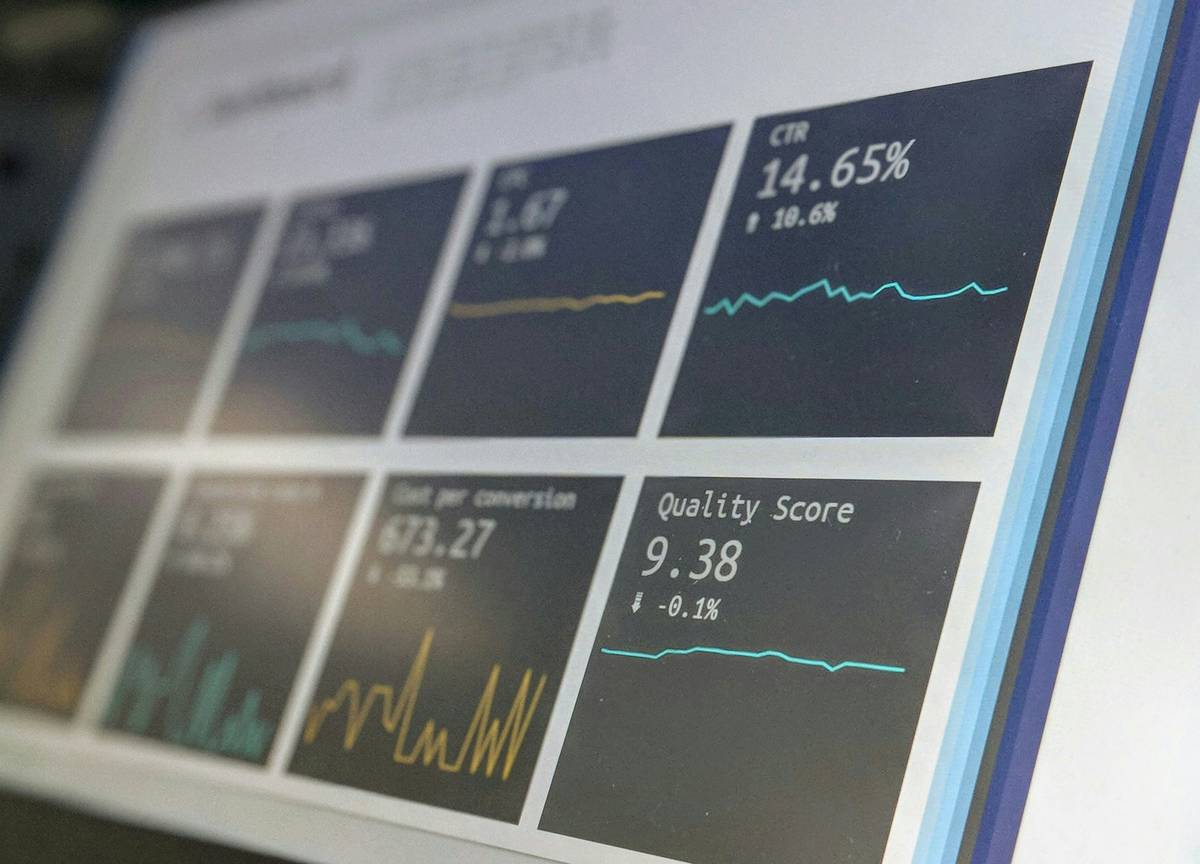
The problem compounds when creators treat funnels as linear pipelines instead of dynamic ecosystems. According to HubSpot’s State of Marketing Report, 72% of consumers expect personalized educational content—but only 38% of edtech brands deliver it. Without segmentation, automation, or clear progression cues, your audience drifts away, often without realizing they’ve disengaged.
Step-by-Step: Fixing Your Funnel From Awareness to Enrollment
Map Every Touchpoint Honestly
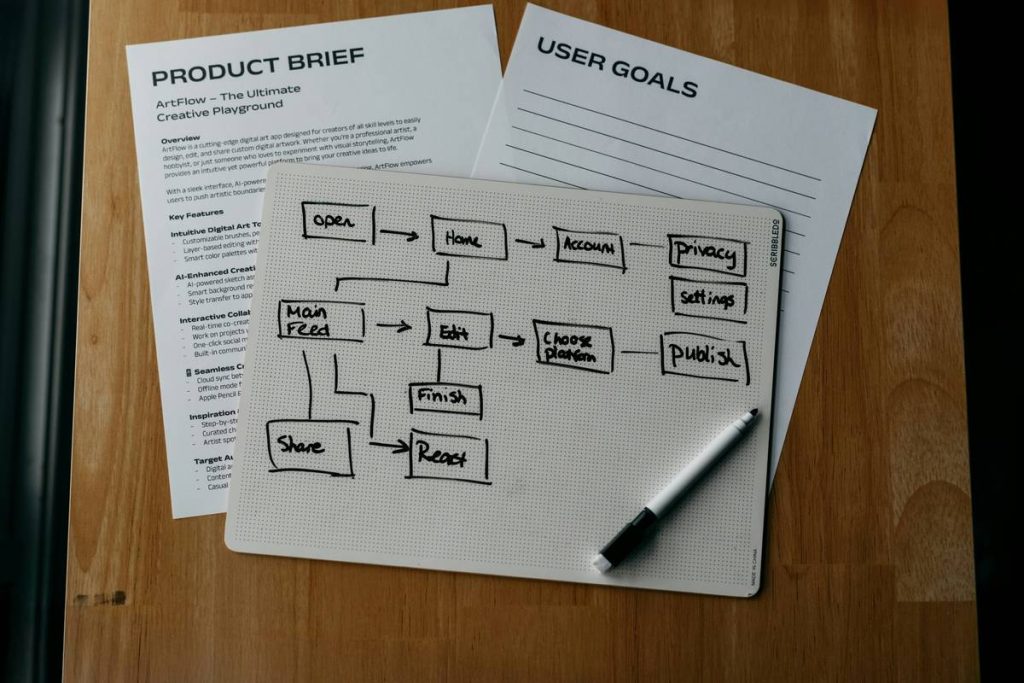
Start by auditing where users actually drop off—not where you assume they do. Use Google Analytics’ funnel visualization or Hotjar session recordings. Tag each stage: Blog → Lead Magnet → Email Nurture → Sales Page → Checkout.
Clarify Value at Each Stage
Your lead magnet shouldn’t just capture emails—it should solve an immediate micro-problem. Instead of “Free Guide to Digital Marketing,” try “Download Our 5-Minute Script Template to Hook Viewers in Your First 10 Seconds.” Specificity builds credibility.
Automate, But Humanize
Email sequences must feel like advice from a mentor, not a bot. Reference their behavior: “Since you watched Module 2 on thumbnails, here’s how top creators A/B test them…” Tools like ConvertKit or ActiveCampaign make this scalable.
5 Best Practices Most Educators Ignore
- Test one variable at a time—changing headlines, CTAs, and form fields simultaneously muddies data.
- Track post-purchase behavior: If students don’t start lessons within 48 hours, trigger a “stuck?” email with quick-start tips.
- Use urgency ethically: “Enrollment closes Friday” works only if true—and paired with social proof (“Join 1,200+ creators who finished last cohort”).
- Never skip mobile optimization: Over 60% of course discovery happens on phones; tiny CTAs kill conversions.
- Avoid this terrible tip: “Just add more content!” More modules ≠ more value. Bloated courses increase abandonment. Edit ruthlessly.
Real Marketing Funnel Optimization Examples That Worked
One fast-growing platform teaching podcasting slashed drop-offs by 22% simply by adding a 90-second “sneak peek” video to their checkout page—showing real students recording episodes using their templates. No code changes, just empathy.
Another case: An SEO course creator doubled free-to-paid conversions by restructuring their email nurture. Instead of pushing sales on Day 3, they shared a student’s “before/after” analytics dashboard. Revenue jumped 110% in two months. These aren’t gimmicks—they’re marketing funnel optimization examples grounded in behavioral psychology.
Even better? Tracking revealed most buyers came from LinkedIn, not Instagram—so they reallocated ad spend accordingly. Data beats assumptions every time. For deeper methodology, see Wikipedia’s overview of funnel frameworks, which aligns closely with modern attribution models.
Frequently Asked Questions
What are common mistakes in marketing funnel optimization examples for online courses?
Ignoring mid-funnel nurturing is the biggest error. Many creators focus only on top-funnel traffic or bottom-funnel sales, neglecting the “consideration” phase where trust solidifies.
How often should I audit my marketing funnel?
Quarterly at minimum—but track key drop-off metrics weekly. Sudden spikes in exit rates often signal broken links or slow load times.
Can I optimize funnels without spending on ads?
Absolutely. Organic channels like SEO-driven blog content and strategic YouTube tutorials feed high-intent traffic. Just ensure each piece maps to a funnel stage.
Do marketing funnel optimization examples differ for B2B vs. B2C education?
Yes. B2B funnels require longer nurturing with case studies and ROI calculators, while B2C thrives on emotional hooks and quick wins.
If your funnel feels stuck, you don’t need another tool—you need clarity. At FastToCast, we’ve helped dozens of educators plug leaks and scale sustainably. Ready to diagnose your funnel? Reach out today. And remember: what you collect matters less than what you protect—review our Privacy Policy to see how we handle your data.