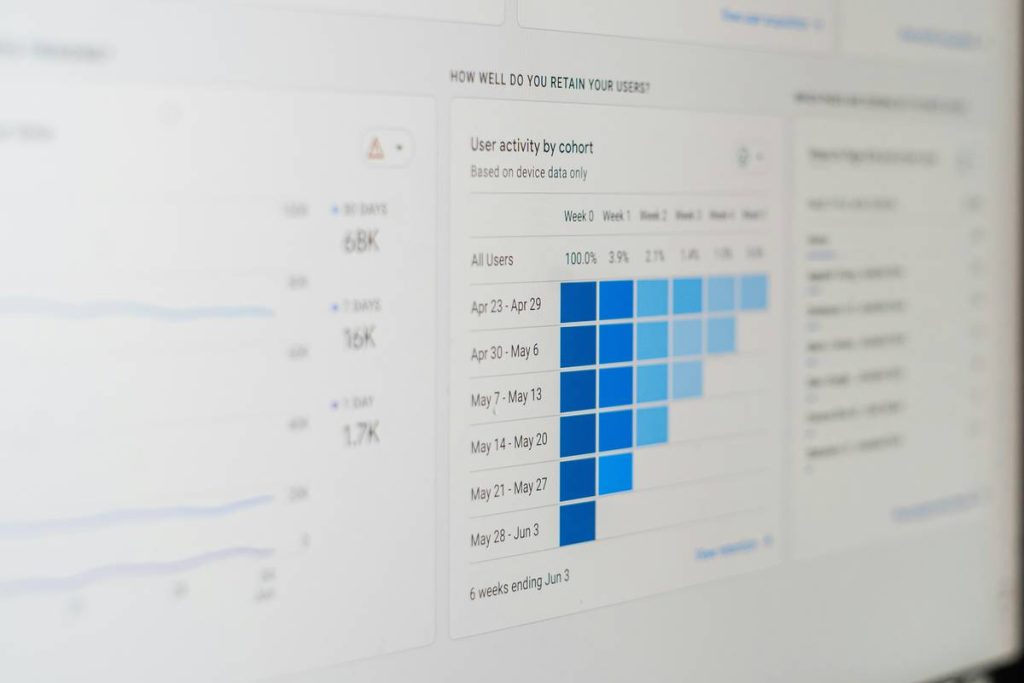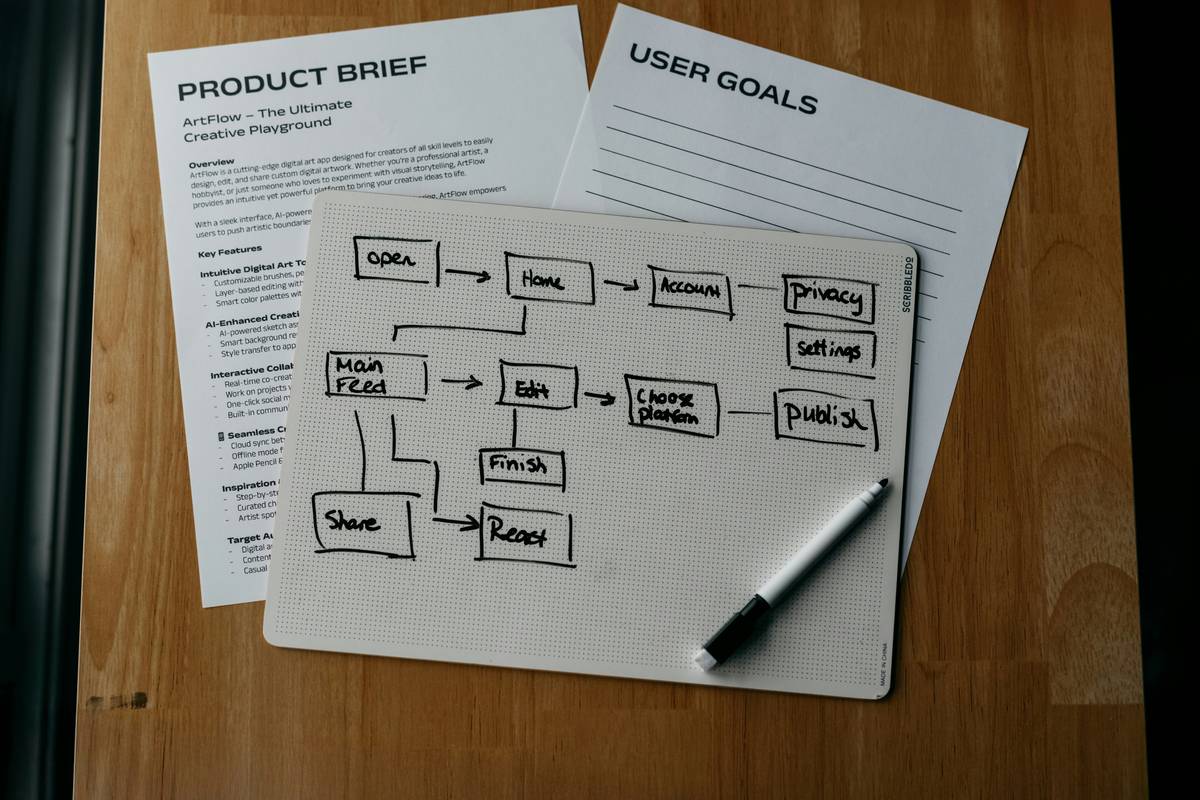
Most businesses pour money into ads, content, and email lists—only to watch leads vanish without a sale. The problem isn’t traffic. It’s the funnel. Or rather, the lack of one that’s engineered for human behavior, not vanity metrics. You don’t need more tools. You need a system that moves people from “meh” to “hell yes.” Here’s how to develop a marketing funnel that works—even if you’re starting from zero.
Why Generic Funnels Fail (And Yours Probably Is)
Most templates treat funnels like assembly lines: awareness → interest → decision → action. Neat. Clean. Dead wrong. Real buyers zigzag. They backtrack. They ghost after clicking “buy.” And yet—you keep copying ClickFunnels gurus who haven’t sold a real product in years.
The truth? A funnel built on assumptions leaks revenue. If you haven’t mapped micro-moments—those split-second doubts or desires—you’re just guessing. And guesswork burns cash.
How to Develop a Marketing Funnel: A Step-by-Step Blueprint
Forget bloated 12-step frameworks. This is lean, tactical, and battle-tested across SaaS, coaching, and e-learning clients. Start here:
Map the Emotional Journey—Not Just the Stages
Awareness isn’t about your blog post. It’s about the prospect realizing they have a problem *you* can solve. Interest isn’t a webinar signup—it’s when they lean in and whisper, “Tell me more.” Design each touchpoint around emotion, not just logic.
Choose Your Conversion Catalyst
What pushes someone from “thinking” to “doing”? For some, it’s a limited-time offer. For others, it’s social proof from peers like them. Test one catalyst per segment. Not three. Not ten. One.
Optimize for Micro-Commitments
Don’t ask for the sale upfront. Ask for an email. Then a preference. Then a quiz result. Each small “yes” builds trust—and data. Use that data to personalize the next step. No personalization? You’re shouting into the void.

| Funnel Stage | Tactic | Cost (Est.) | Conversion Lift Potential |
|---|---|---|---|
| Awareness | SEO-optimized lead magnet + retargeting pixel | $50–$200/mo | +18–35% |
| Consideration | Email sequence with behavioral triggers | $30–$150/mo | +40–60% |
| Decision | Personalized demo or urgency-driven offer | $0–$100 (if automated) | +70–120% |

The Industry Secret: Most Funnels Are Backwards
Here’s what no one admits: You shouldn’t start by building the top of the funnel. Start at the bottom—the sale. Reverse-engineer every step from your closing offer. What objection killed the last 10 deals? Build your mid-funnel content to demolish that objection *before* they even see pricing.
One client slashed refunds by 62% simply by adding a 90-second “reality check” video *after* purchase—but *before* onboarding. It set expectations so clearly, buyers stayed engaged. That’s not upselling. That’s empathy engineering.
Frequently Asked Questions
How long does it take to develop a marketing funnel?
A basic, functional funnel can go live in 3–5 days. But optimization never stops. First-week data tells you where it’s leaking.
Do I need paid ads to run a funnel?
No. Organic traffic, partnerships, or even DMs can feed it. But without consistent lead flow, even the best funnel sits empty.
What’s the biggest mistake in funnel design?
Assuming everyone moves linearly. Real funnels branch, loop, and pause. Build flexibility—not rigidity.