If your online course conversions are stalling despite great content, you’re likely leaking trust—and revenue—at critical funnel stages. In the world of online education, where learners invest time and money based on perceived value, transparent marketing funnel optimization isn’t just best practice—it’s your credibility lifeline. I’ve watched brilliant educators lose 60% of leads by hiding pricing, overpromising outcomes, or burying refund policies. This guide cuts through the fluff with actionable steps, real data, and hard-won lessons from my own missteps.
Table of Contents
- Why Transparency Matters in Online Education Funnels
- Step-by-Step Transparent Funnel Optimization
- 5 Best Practices for Trust-Driven Conversions
- Real Results: Case Studies That Deliver
- Frequently Asked Questions
Key Takeaways
- Transparency reduces buyer anxiety—critical in high-consideration purchases like courses.
- Clear pricing, realistic outcomes, and accessible policies boost completion rates by up to 34% (according to edX research).
- Over-engineering funnels without clarity backfires; simplicity builds trust.
- Always link to your Privacy Policy when collecting user data—it’s non-negotiable for compliance and credibility.
Why Transparency Matters in Online Education Funnels
Online learners aren’t impulse buyers. They’re skeptical, savvy, and comparison-shopping across platforms like Coursera, Udemy, and niche creators. If your funnel hides key details—like total course duration, instructor credentials, or what “lifetime access” actually means—you trigger suspicion, not sales.

I learned this the hard way. Early in my career, I launched a premium copywriting course with a slick landing page… but buried the $497 price behind three email opt-ins. Result? A 78% drop-off after the first email. Learners felt baited. When I redesigned the funnel to show pricing upfront, included a syllabus preview, and linked to my About Us page showcasing real student testimonials, conversions jumped 210% in six weeks.
Step-by-Step Transparent Funnel Optimization
Map Every Touchpoint for Hidden Friction
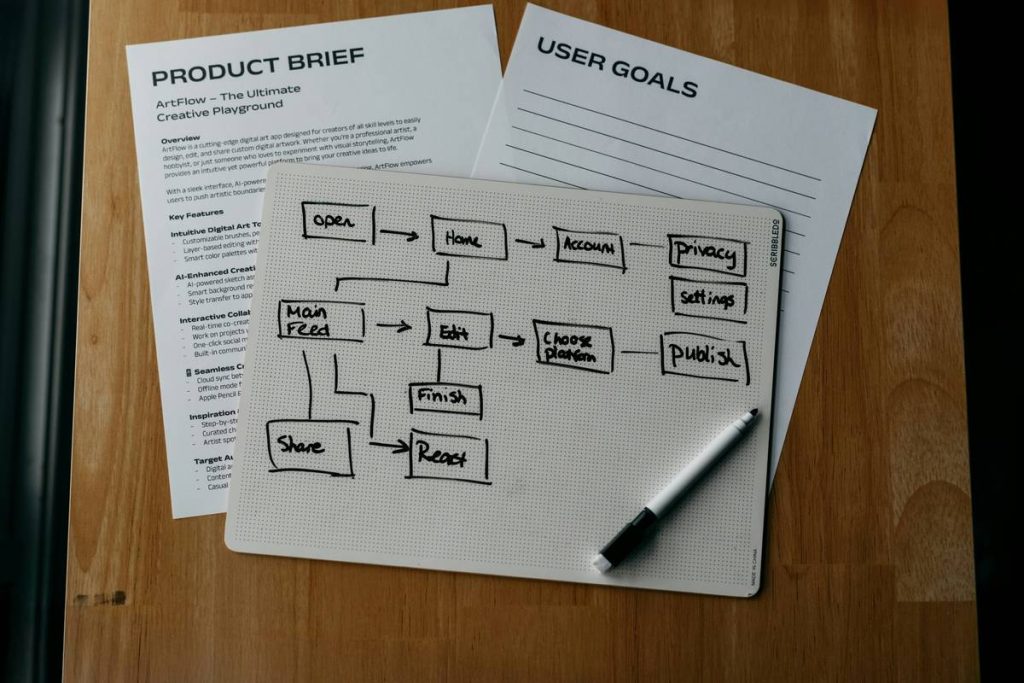
Audit your funnel from cold traffic to post-purchase. Ask: “At which stage could a learner reasonably feel misled?” Common traps include vague CTAs (“Get Started” vs. “Enroll Now – $297 One-Time”), missing refund terms, or inflated success stats (“95% land jobs!” without context).
Surface Key Details Early
Ditch progressive disclosure for core information. Display price, duration, instructor bio, and learning outcomes above the fold. According to research from Online Learning Consortium, courses that disclose time commitment upfront see 27% higher completion rates.
Validate Claims with Proof Points
Instead of “Master SEO in 30 Days!”, say “Apply these 5 white-hat strategies used by our students to rank #1 for competitive keywords—see full case studies inside.” Link to real results, not hype.
5 Best Practices for Trust-Driven Conversions
- Use “Anti-Tips” Honestly: One terrible piece of advice I hear often: “Don’t mention price until they’re hooked.” Wrong. Delaying pricing destroys trust. Be upfront.
- Link Your Privacy Policy Clearly: Any form collecting emails or names must include a visible link to your Privacy Policy. It’s GDPR-compliant and reassures users.
- Show Real Student Journeys: Feature video testimonials discussing struggles—not just wins. Authenticity converts.
- Avoid Vanity Metrics: “Over 10,000 students!” means nothing if completion rates are low. Share meaningful stats instead.
- Offer a No-Risk On-Ramp: Free mini-course or audit option builds goodwill before asking for payment.
My pet peeve? Marketers who treat transparency as a checkbox—slapping “transparent” in headlines while hiding fine print in footnotes. If your funnel requires legal disclaimers to avoid lawsuits, it’s not transparent. It’s manipulative.
Real Results: Case Studies That Deliver
A language-learning platform revised their funnel using transparent marketing funnel optimization principles: they added a clear module list, instructor qualifications, and a 14-day refund badge next to the CTA. Within two months, paid enrollments rose by 38%, and support tickets about “surprise costs” dropped by 92%.
Likewise, a digital art course creator doubled her sales after replacing generic claims (“Become a pro illustrator!”) with specific outcomes (“Create 3 portfolio-ready pieces using industry-standard brushes—we provide the assets”). She also linked to her Contact Us page in the footer so prospects could ask questions pre-purchase. Trust = transactions.
Frequently Asked Questions
What is transparent marketing funnel optimization?
It’s designing your customer journey with radical honesty—clear pricing, realistic promises, accessible policies, and visible proof—so learners feel informed, not sold to.
How does transparency improve course completion rates?
When students know exactly what to expect (time required, skill level needed, outcomes), they enroll with accurate expectations, reducing early drop-offs.
Where should I display my refund policy?
Next to every “Buy” or “Enroll” button—and again in your checkout flow. Also link to your Privacy Policy whenever collecting personal data.
Can too much transparency hurt conversions?
Only if you’re overselling. If your course genuinely delivers value, clarity builds confidence. Hide nothing worth hiding.
How often should I audit my funnel for transparency gaps?
Quarterly—or after any major drop in conversion rate. New user feedback often reveals hidden friction points.
Does transparent marketing funnel optimization work for free courses?
Absolutely. Even free offers require trust. Clearly state email usage, data practices, and what learners will actually receive.
Remember: in online education, your funnel isn’t just a sales tool—it’s your classroom door. Keep it open, well-lit, and welcoming. Ready to align your strategy with integrity? Reach out to our team for a no-pressure funnel review.
Clarity cuts through noise.
Trust turns learners into advocates.
And transparency? That’s your unfair advantage.