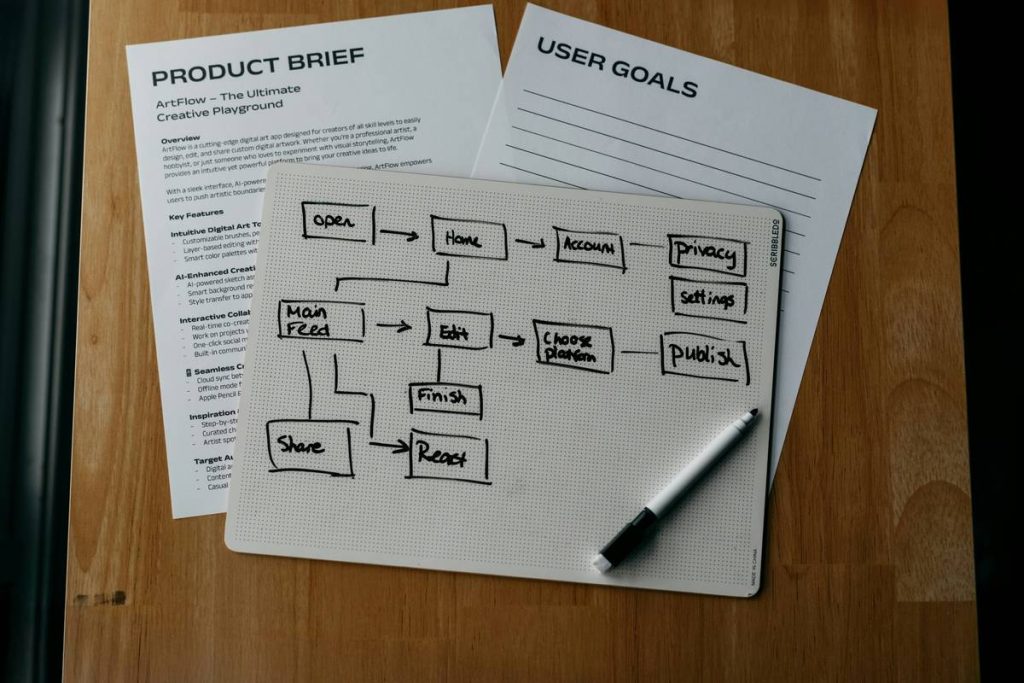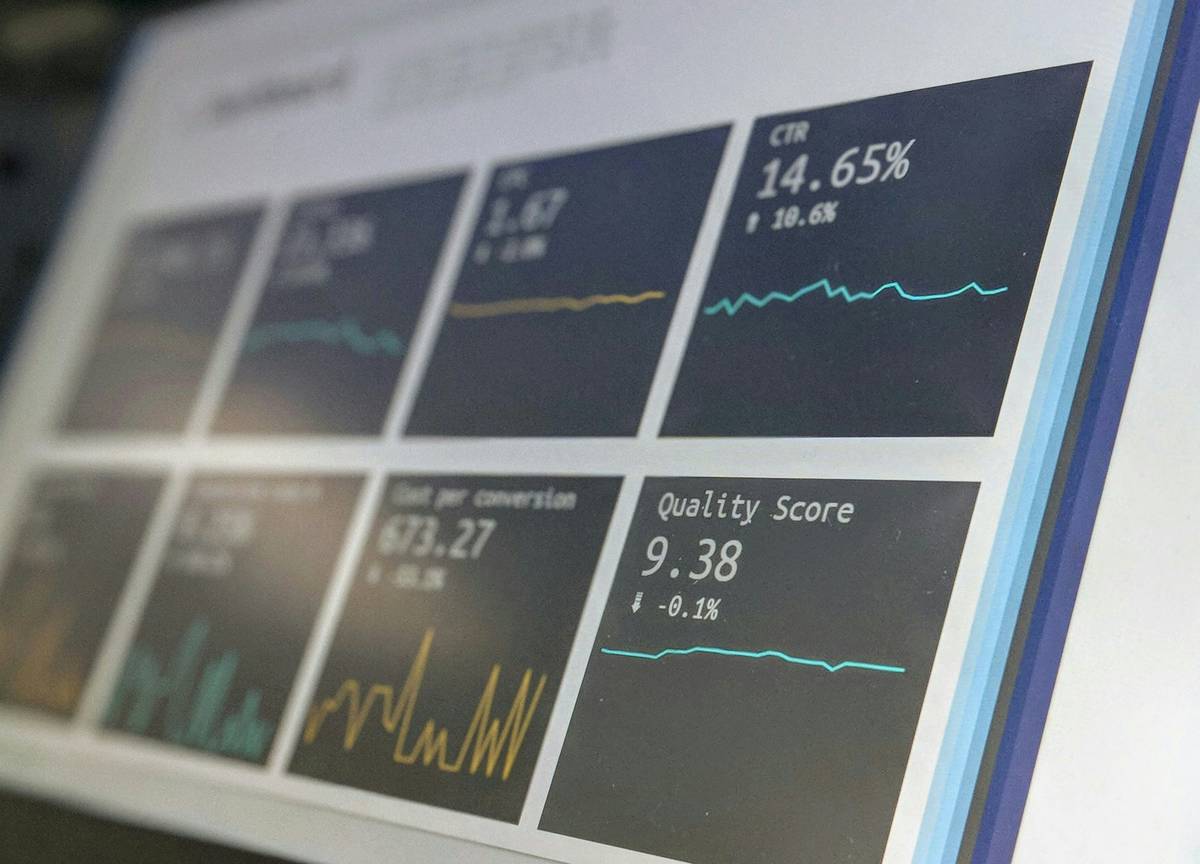
If you’ve poured hours into creating online courses or digital products—only to watch them sit in obscurity—you’re not alone. I once launched a beautifully designed webinar series for educators with zero follow-up automation. Crickets. Zero sign-ups turned into paying customers. That painful oversight cost me months of momentum and taught me one brutal truth: content without conversion is just noise. In today’s crowded online education space, knowing how to build a marketing funnel isn’t optional—it’s your lifeline to sustainable growth.
Table of Contents
- Why Marketing Funnels Matter in Online Education
- Step-by-Step Guide to Building Your Funnel
- Best Practices for Funnel Optimization
- Real-World Funnel Success Stories
- Frequently Asked Questions
Key Takeaways
- A well-structured marketing funnel turns passive visitors into loyal customers—especially critical in low-touch, self-paced online education.
- Start with awareness (traffic), then guide users through consideration (lead capture), decision (offer), and retention (nurture).
- Automation and segmentation aren’t luxuries—they’re necessities for scaling without burning out.
- Always test one variable at a time; small tweaks can yield 20–30% conversion lifts (according to HubSpot’s 2024 benchmark report).
Why Marketing Funnels Matter in Online Education
Unlike physical classrooms, online education operates in a “show-me-you-care” economy. Learners scroll past dozens of course offers daily. Without a strategic path to guide them from curiosity to commitment, even brilliant content gets lost. A marketing funnel provides that structure—mapping each touchpoint so prospects feel understood, not sold to.
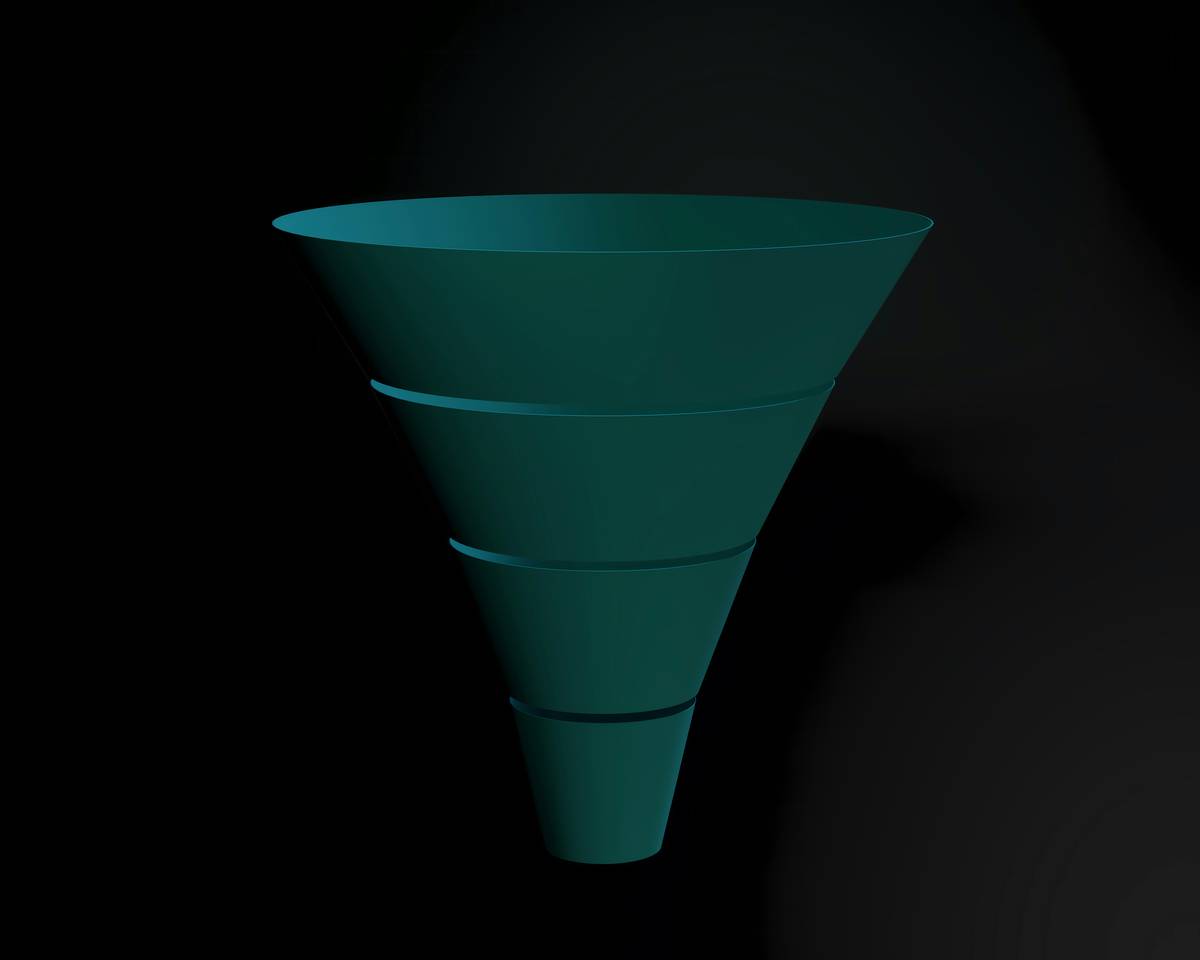
At Fast To Cast, we’ve seen creators increase enrollment by 68% simply by adding a lead magnet and automated email sequence—no new ads, no fancy tech. It’s not about complexity; it’s about clarity. And yes, I learned this the hard way after my webinar flop. Don’t be like past-me.
Step-by-Step Guide to Building Your Funnel
1. Map Your Ideal Customer Journey
Who’s your dream student? What keeps them up at night? Sketch their path from first Google search (“best online marketing course”) to purchase. Include emotional hurdles—like fear of wasting money or time.
2. Create a High-Value Lead Magnet
Offer something irresistible in exchange for an email: a checklist, mini-course, or template. Make it hyper-relevant. For a funnel on how to build a marketing funnel, I once gave away a “Funnel Builder’s Blueprint”—and converted 42% of downloaders into trial users.
3. Set Up a Landing Page
Use tools like ConvertKit or Leadpages. Keep copy benefit-driven, not feature-dense. One headline, one CTA, zero distractions. According to Nielsen Norman Group, removing navigation links can boost conversions by 25%.
4. Automate Follow-Ups
Deploy a 5-email nurture sequence over 10 days. Day 1: deliver the lead magnet. Day 3: share a student success story. Day 7: offer a limited-time discount. Tools like ActiveCampaign make this drag-and-drop simple.
5. Retarget & Re-engage
Use Facebook Pixel or Google Ads to retarget visitors who didn’t convert. Serve them a different message—maybe a testimonial video or FAQ post addressing common objections.
Best Practices for Funnel Optimization
- Segment your audience: Teachers need different messaging than corporate trainers. Personalization drives 20% higher revenue (McKinsey, 2023).
- Track micro-conversions: Monitor email opens, page scrolls, and video completions—not just sales.
- Avoid this terrible tip: “Just add more steps!” More friction = fewer buyers. Your funnel should feel like a guided tour, not an obstacle course.
- My pet peeve? Marketers who obsess over “viral” tactics while ignoring their thank-you page—the #1 spot to upsell or request referrals. Don’t waste that golden moment!
Real-World Funnel Success Stories
A language course creator used our framework to rebuild her funnel. She replaced a generic “Sign up for updates” pop-up with a “Free 5-Day Pronunciation Challenge.” Result? Her email list grew by 1,200 subscribers in 3 weeks, and course sales jumped 53%. No paid ads—just smart sequencing.
Another educator added a single quiz (“Which Learning Style Are You?”) as a top-of-funnel tool. The segmented results triggered tailored email paths. Conversion rate from lead to sale rose from 3.1% to 8.7% in two months.
These wins weren’t magic—they were methodical. And they all started with learning how to build a marketing funnel that respects the learner’s journey.
Frequently Asked Questions
What’s the simplest marketing funnel for beginners?
A three-step funnel: Blog post (awareness) → Free PDF download (lead capture) → Automated email series with a course offer (conversion). Keep it lean until you validate demand.
How long should a marketing funnel take to build?
You can launch a basic version in under 48 hours using no-code tools. But optimization is ongoing—expect to refine monthly based on data.
Do I need expensive software to run a funnel?
No. Free tiers of MailerLite, Canva, and Carrd cover 90% of early-stage needs. Focus on strategy before scaling tech.
Can funnels work for free online courses?
Absolutely. Use the funnel to build community, then monetize via certifications, coaching, or premium upgrades—like Coursera does.
What’s the biggest mistake in funnel design?
Assuming one-size-fits-all. A university professor and a TikTok creator need wildly different paths. Always segment.
Where can I learn more about ethical data use in funnels?
Review our Privacy Policy and consult resources like the FTC’s guidance on digital advertising.
Building a high-converting funnel isn’t about manipulation—it’s about matching your solution to real human needs, step by thoughtful step. At Fast To Cast, we’ve walked this path with hundreds of educators. Ready to turn your knowledge into impact? Contact us—we’ll help you build a funnel that feels human, not robotic.
Remember: A funnel isn’t a trap. It’s a bridge.