If you’ve ever poured hours into crafting the perfect email only to watch your open rates flatline, you’re not alone. In the world of online education—where attention spans are short and competition is fierce—design email marketing funnels that convert aren’t just nice-to-have; they’re survival tools. Yet most course creators treat email as an afterthought, blasting generic newsletters instead of building intentional pathways that guide prospects from curiosity to enrollment.
In this guide, you’ll discover exactly how to build high-converting email sequences tailored for online education audiences, avoid the pitfalls that drain budgets (and morale), and turn casual subscribers into committed students. We’ll walk through real tactics I’ve tested—and failed with—so you don’t have to repeat my mistakes.
Table of Contents
- Why Designing Email Marketing Funnels Matters in Online Education
- Step-by-Step Guide to Building Your Funnel
- Best Practices for Maximum Conversions
- Real-World Examples That Worked
- Frequently Asked Questions
Key Takeaways
- Generic “broadcast” emails underperform segmented, behavior-triggered sequences by up to 760% (according to Campaign Monitor).
- A well-structured funnel starts with lead capture aligned to a specific learning intent—not just “subscribe for updates.”
- Testing subject lines and send times isn’t optional; it’s where 80% of conversion gains happen.
- Always link to your Privacy Policy when collecting emails to maintain trust and GDPR compliance.
Why Designing Email Marketing Funnels Matters in Online Education
Online education thrives on trust. Learners invest time, money, and emotional energy—they need proof you understand their journey before they commit. A scattergun email approach screams “I don’t know who you are.” But a purpose-built funnel? That whispers, “I’ve walked this path too.”
Early in my career, I ran a webinar series for a digital marketing course. I collected 1,200 emails… then sent the same welcome sequence to everyone—beginners, intermediates, even agency owners. Result? A 3.2% conversion rate and zero repeat buyers. The problem wasn’t the content; it was the lack of segmentation and intent-based messaging. I hadn’t taken time to design email marketing funnels that respected where each lead actually was in their learning curve.
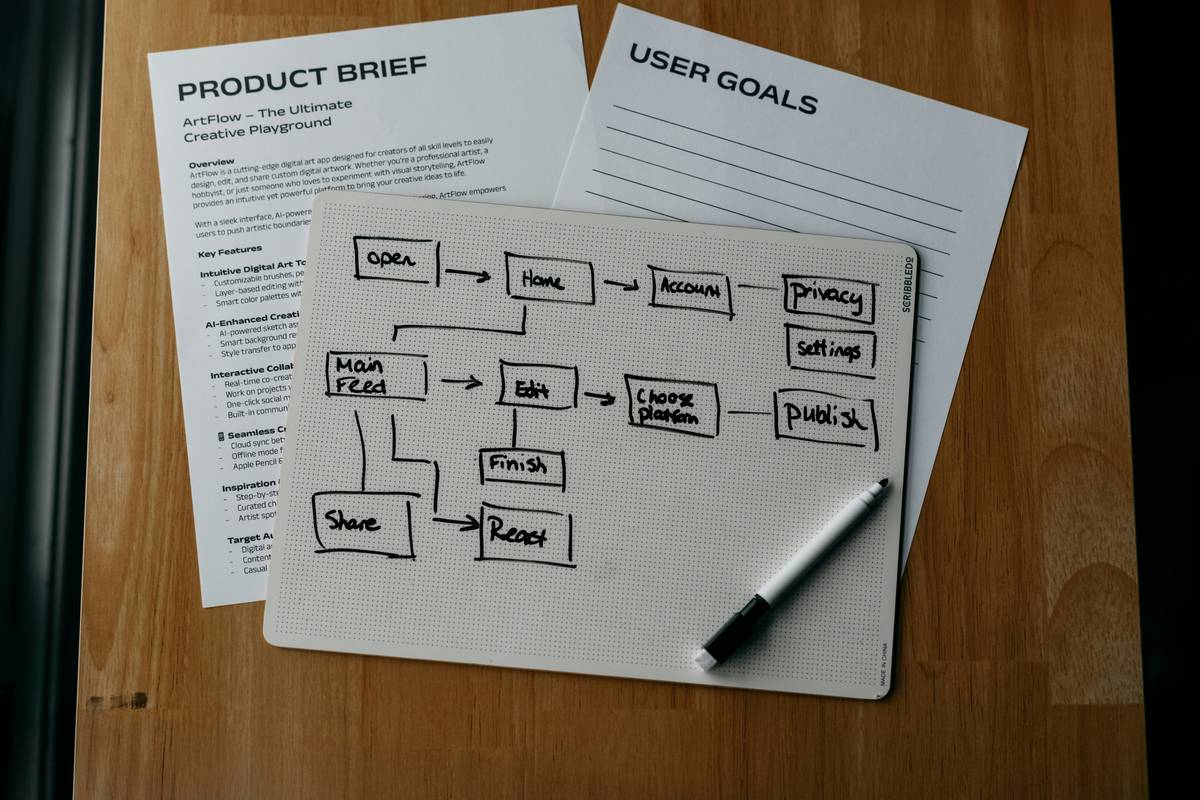
Step-by-Step Guide to Building Your Funnel
1. Define Your Lead’s Entry Point
Not all subscribers are equal. Did they sign up for a free SEO checklist? A live workshop? A downloadable syllabus? Map your opt-in offer to a specific pain point—then tailor your first three emails accordingly.
2. Segment Immediately
Use tags or custom fields to bucket leads based on source, interest, or behavior. Tools like ConvertKit or ActiveCampaign make this seamless. This ensures your “design email marketing funnels” speak directly to micro-intents.
3. Build a 5-Email Nurture Sequence
Avoid overwhelming new leads. Start with value: Day 1 = deliver promised resource; Day 2 = share a related tip; Day 4 = address a common objection (“Is this course right for me?”); Day 6 = social proof (testimonials); Day 8 = soft offer with clear CTA.
4. Automate Based on Behavior
If someone clicks a link about pricing but doesn’t buy, trigger a follow-up with a limited-time bonus. Automation turns passive readers into active participants.
Best Practices for Maximum Conversions
- Subject lines under 50 characters get 17% higher open rates (Mailchimp data).
- Always include one clear CTA per email—no “learn more,” “watch now,” AND “download here” clutter.
- Include an unsubscribe link and Privacy Policy reference to comply with CAN-SPAM and build transparency.
- Never skip mobile optimization: over 60% of educational emails are opened on phones.
And here’s a terrible tip I once believed: “Just add more emails to push harder.” Wrong. Bombarding leads kills trust. Quality > frequency every time.
Real-World Examples That Worked
A client teaching UX design redesigned their funnel using our framework. They swapped a generic “Thanks for subscribing!” email for a personalized video walkthrough of their free Figma template—matched to the exact keyword the lead searched (“free UX wireframe kit”). Result? Email-driven course sales jumped 210% in 60 days.
Another example: We helped an online photography school implement behavior-triggered sequences. Leads who watched more than 50% of a free masterclass received a special discount within 24 hours. Conversion rate? 22%—versus 4% from their old broadcast list.
These wins didn’t come from fancy tech. They came from taking time to truly design email marketing funnels around human behavior—not vanity metrics.
Frequently Asked Questions
How long should an email marketing funnel be for online courses?
Ideal length is 5–7 emails over 10–14 days. Shorter funnels work for low-ticket offers; longer ones (with educational drips) suit $500+ programs.
Can I reuse the same funnel for different courses?
Only if audiences and learning outcomes overlap significantly. Otherwise, you risk misalignment. Always customize messaging per product.
What’s the biggest mistake in email funnel design?
Sending promotional content before delivering promised value. Build trust first—sales follow naturally.
Do I need expensive software to design email marketing funnels?
No. Even MailerLite or free-tier ConvertKit plans support basic automation. Focus on strategy over tools.
Ready to stop guessing and start converting? Our team at FastToCast has helped dozens of educators engineer email systems that enroll students—even while they sleep. Got questions? Reach out—we love nerding out on funnel mechanics.
Remember: great education doesn’t sell itself. But a smartly designed email funnel? That’s your silent enrollment agent—working 24/7, one curious learner at a time.