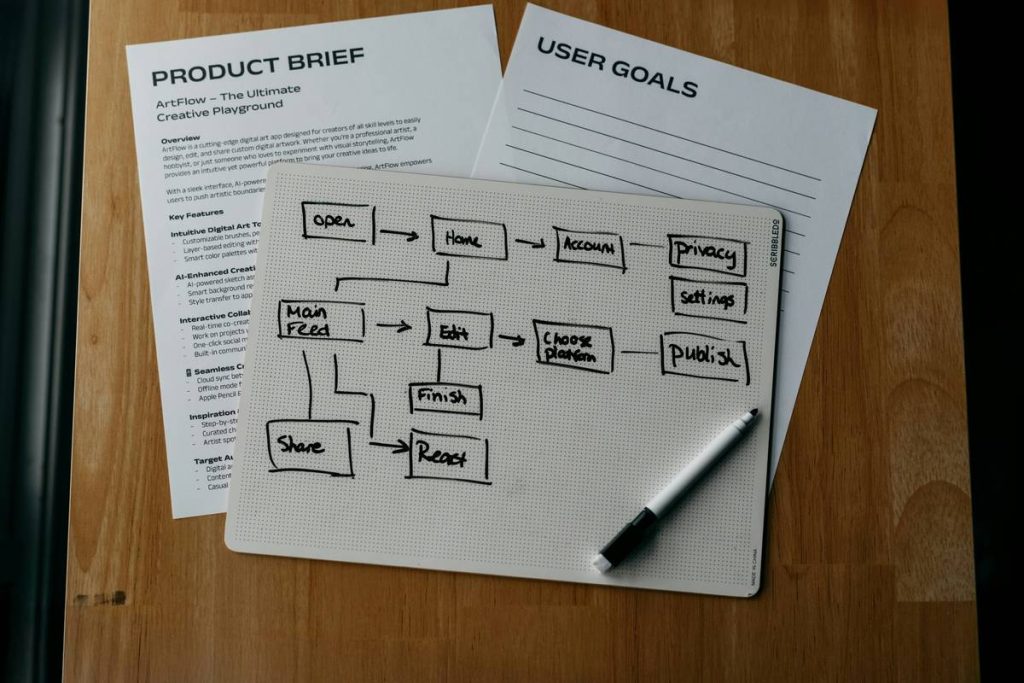
Most businesses pour time and money into lead generation—only to watch prospects vanish before purchase. Why? Because they’re building leaky funnels disguised as strategy. The real issue isn’t traffic. It’s structure. Here’s how to create a marketing funnel that captures, nurtures, and converts—without burning cash on guesswork.
Why Your Current Funnel Is Failing (Even If It Looks Perfect)
You’ve mapped out awareness, interest, decision, action. Clean. Logical. Textbook. And yet… conversions stall. The problem? You’re optimizing stages—not behavior. Modern buyers don’t march linearly through your funnel. They loop, backtrack, and ghost if your messaging feels transactional. A static funnel assumes predictability. Real humans aren’t predictable—they’re emotional, distracted, and comparison-obsessed. And most “funnels” ignore that reality entirely.
How to Create a Marketing Funnel Step by Step
Forget rigid AIDA models. Build a dynamic, behavior-driven system. Start here:
Map Micro-Moments, Not Just Stages
Identify the exact emotional triggers at each touchpoint: fear of missing out during awareness, social proof during evaluation, urgency during checkout. Tag every asset to these micro-moments—not vague phases like “consideration.”
Use Behavioral Triggers, Not Just Email Blasts
Ditch scheduled drip campaigns. Deploy automation based on actions: page visits, video completions, cart abandonment. If someone watches 80% of your demo video but doesn’t sign up? Hit them with a personalized offer within 90 minutes—not three days later via generic email #3.

Test Friction Points Ruthlessly
Your “simple” opt-in form might be killing conversions. Maybe it’s the CTA button color. Or asking for phone number too early. Run weekly micro-tests. One field. One word. One second of load time. The math is simple: tiny friction = massive leakage.
| Funnel Building Method | Time to Launch | Cost Range | Scalability |
|---|---|---|---|
| DIY with Email + Landing Pages | 1–3 days | $0–$100/mo | Low (manual tracking, limited triggers) |
| All-in-One Platform (e.g., ClickFunnels) | Hours | $97–$297/mo | Medium (pre-built templates, basic analytics) |
| Custom Stack (CRM + Automation + Analytics) | 1–2 weeks | $300–$1,500+/mo | High (full behavioral tracking, predictive modeling) |

The Industry Secret No One Talks About
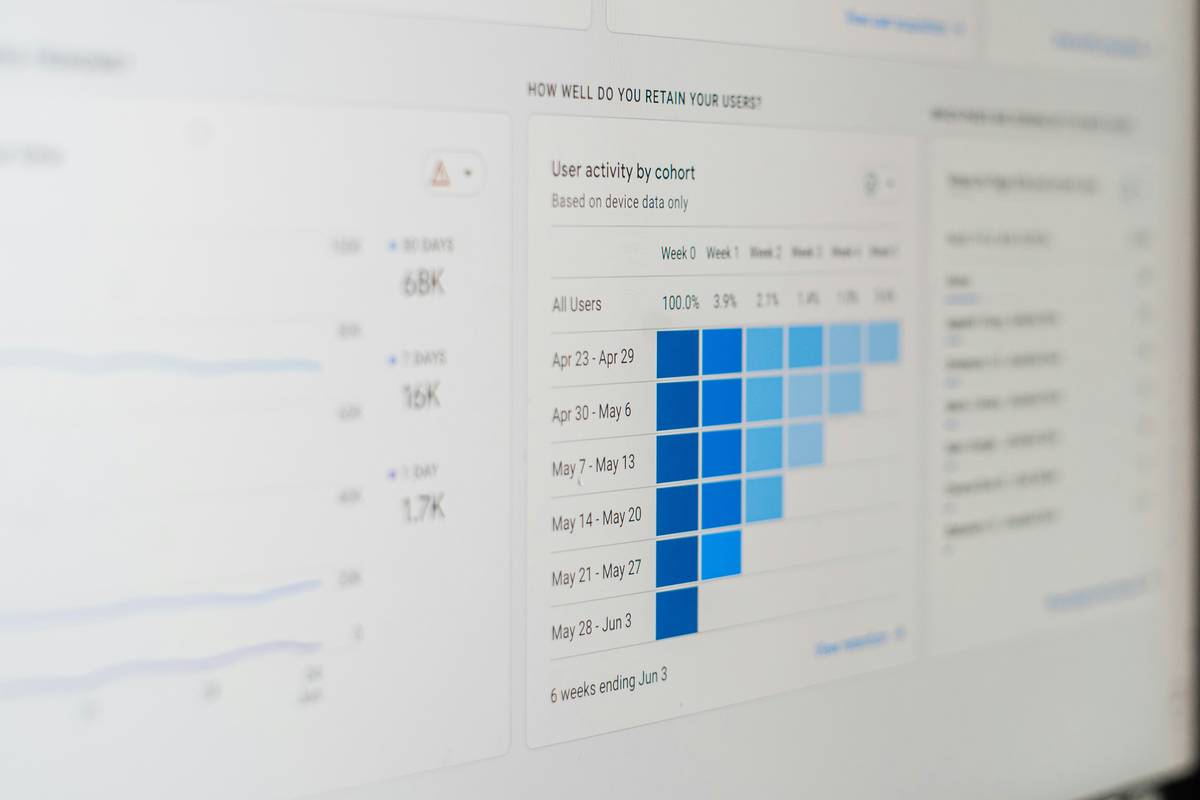
Top 1% marketers don’t just build funnels—they build feedback loops. Every conversion (or drop-off) feeds back into content creation. Example: if 70% of trial users churn after Day 3, they don’t tweak the pricing page. They create a Day 2 in-app message addressing the exact confusion causing exit. Your funnel shouldn’t be a one-way pipe. It must learn, adapt, and re-engage autonomously. That’s how you turn leaky buckets into self-optimizing engines.
Frequently Asked Questions
What’s the biggest mistake when building a marketing funnel?
Assuming your audience moves linearly. Real buyers zigzag. Design for loops, not lines.
Do I need expensive software to create a marketing funnel?
No. Start lean with free tools like MailerLite and Carrd. Scale only when behavior data demands complexity.
How long does it take to see results from a new funnel?
Basic traction in 14–21 days—if you’re testing weekly. But full optimization takes 90+ days of iteration.