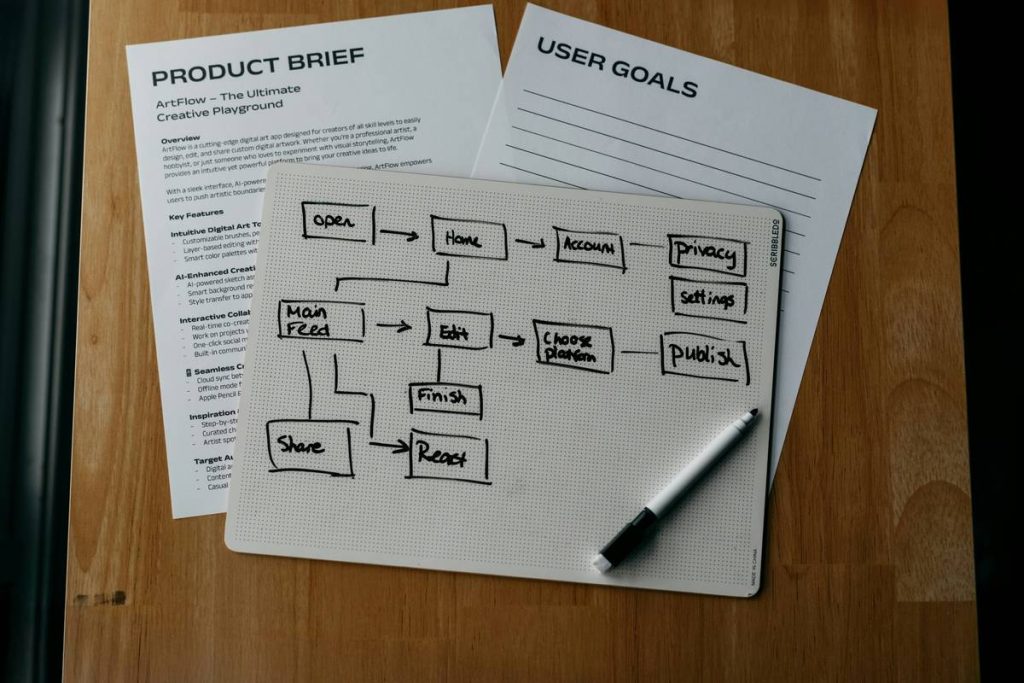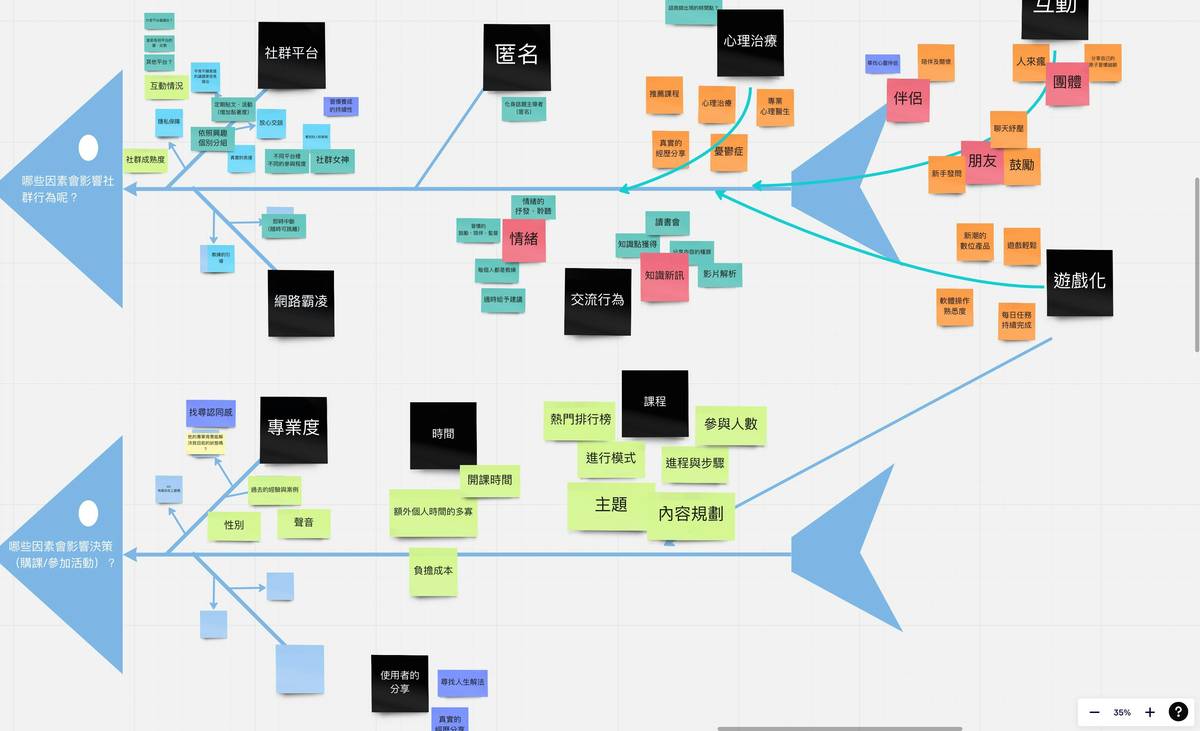
If your online course sign-ups are trickling in while your ad spend gushes out, you’re not alone—and you’re not broken. You just haven’t optimized your marketing funnel yet. In the crowded world of online education, even brilliant course content won’t convert if your funnel leaks at every stage. This guide cuts through the fluff with battle-tested tactics specifically for educators and creators selling digital learning experiences.
Table of Contents
- Why Your Online Education Business Needs a Tight Funnel
- Step-by-Step Funnel Optimization Blueprint
- 5 Best Practices Most Creators Ignore
- Real Results: From 2% to 14% Conversion in 6 Weeks
- Frequently Asked Questions
Key Takeaways
- A leaky funnel wastes ad budget and erodes trust—fix it before scaling.
- Map each stage (awareness → decision → purchase) with tailored messaging.
- Use behavioral triggers like urgency and social proof ethically.
- Test one variable at a time; optimization is iterative, not instant.
- Always link back to user intent—what problem are they trying to solve?
Why Your Online Education Business Needs a Tight Funnel
In online education, buyers aren’t searching for “funnels”—they’re desperate for transformation: “How do I land my first client as a freelance designer?” or “Can I really build a course that sells?” Your job isn’t to sell a product; it’s to guide them from confusion to confidence. But if your funnel treats all visitors the same, you’ll lose them before they even see your offer.
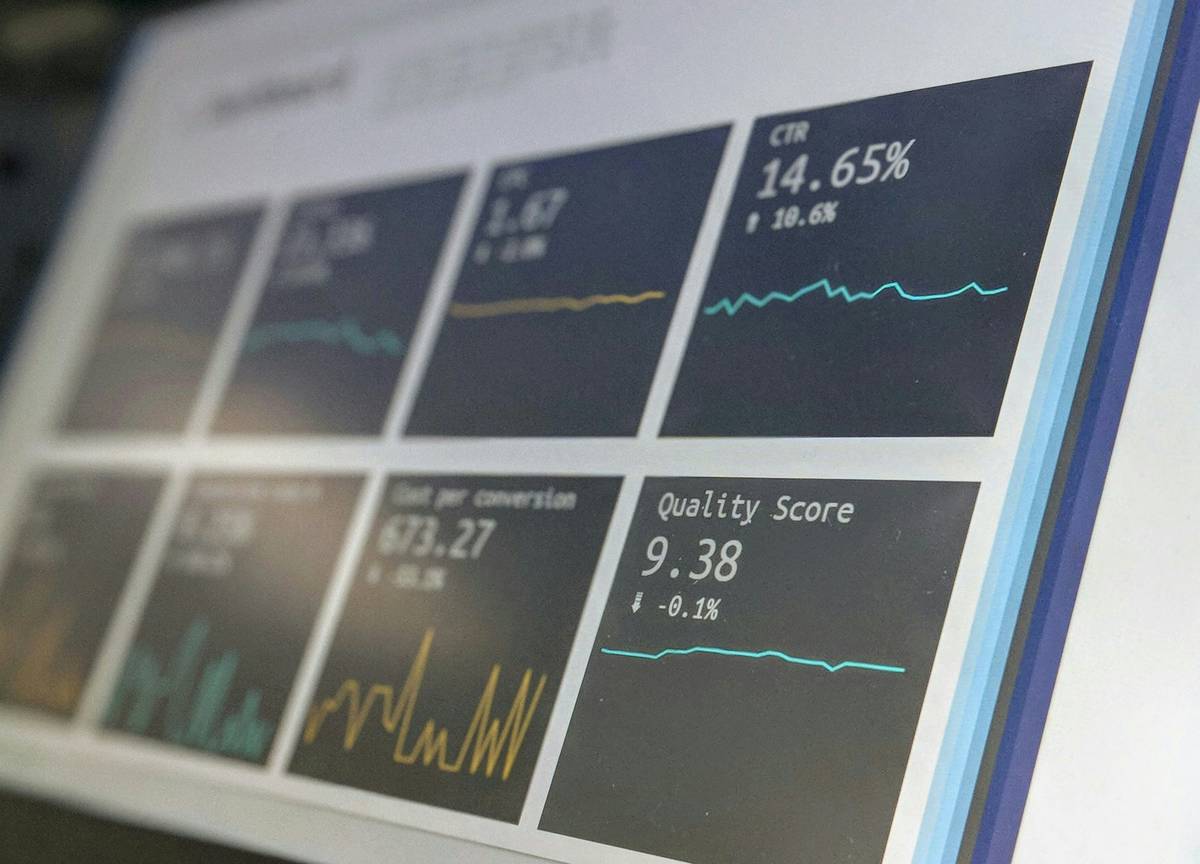
I once ran a webinar funnel for a $497 course targeting new podcasters. We spent $3,200 on Facebook ads… and sold 8 copies. Why? The landing page talked about “mastering audio editing” when our audience cared about “getting guests to say yes.” We’d optimized for our ego, not their pain. That mistake cost us $400 per sale—and taught me that funnel optimization starts with empathy, not analytics.
According to the Nielsen Norman Group, most digital funnels lose over 70% of users between stages due to misaligned messaging or poor UX. For online educators, that’s catastrophic. You’ve already invested in curriculum creation—don’t let weak funnel design sabotage it.
Step-by-Step Funnel Optimization Blueprint
1. Audit Your Current Funnel
Track drop-off points using Google Analytics 4 (GA4). Focus on bounce rates at key pages: lead magnet opt-in, sales page, checkout. High bounce rate on your sales page? Your headline likely doesn’t match the ad promise.
2. Align Content to User Intent
At the awareness stage, offer free value (“5 Tools to Record Crisp Audio”). In consideration, address objections (“Is This Course Worth It for Beginners?”). At decision, reduce friction (“Pay in 3 installments, cancel anytime”).
3. Inject Behavioral Triggers
Add real student testimonials with photos—not generic quotes. Use scarcity ethically: “Enrollment closes Friday” only if true. According to social psychology research, people are more influenced by peers than polished ads.
4. Simplify the Path to Purchase
Remove navigation menus on checkout pages. Every extra click = lost conversion. One creator boosted sales by 22% just by hiding the header on their payment page.
5 Best Practices Most Creators Ignore
- Don’t automate follow-ups too early. Bombarding leads with 5 emails in 24 hours feels spammy. Space sequences over 5–7 days.
- Segment your audience. Someone who downloaded your “Course Creation Checklist” needs different messaging than a webinar attendee.
- Track micro-conversions. Measure email sign-ups, video completions, and PDF downloads—not just sales.
- Update old funnels quarterly. Student expectations shift fast. What worked in 2022 may flop now.
- Never fake social proof. “Join 10,000+ students!” when you have 47 damages trust. Be honest—we’ve all been there (see our journey).
And here’s a terrible tip you’ll hear everywhere: “Just add more CTAs!” More buttons ≠ more sales. Clarity beats clutter every time.
Real Results: From 2% to 14% Conversion in 6 Weeks
A client teaching LinkedIn personal branding had a 2% email-to-sale rate. We restructured her funnel around three insights from student interviews:
- They feared looking “salesy.”
- They didn’t know how to start.
- They wanted proof it worked for non-celebrities.
We rewrote her sales page to open with: “Stop Pitching. Start Connecting.” Added case studies of teachers and nurses (not influencers). Replaced “Buy Now” with “Start My Free Trial.” Result? 14% conversion in six weeks—and zero increase in ad spend. This is what marketing strategy funnel optimization how to looks like in practice: human-centered, data-informed, ruthlessly specific.
Frequently Asked Questions
What’s the biggest mistake in marketing funnel optimization?
Assuming your funnel is “done.” Optimization is continuous. Even high-performing funnels decay as market conditions change.
How often should I A/B test my funnel?
Test one element per month (headline, CTA color, testimonial placement). Small, consistent tweaks beat massive overhauls.
Do I need expensive tools?
No. Start with free GA4, MailerLite for email, and Carrd for simple landing pages. Fancy tech won’t fix broken messaging.
Where should I focus first—top or bottom of funnel?
Fix the bottom first. If your sales page converts poorly, scaling traffic just burns cash faster.
Can I use the same funnel for multiple courses?
Only if audiences overlap significantly. A funnel for “Python for Data Science” won’t resonate with “Watercolor Painting” seekers.
How does this apply to free online courses?
Even free offers need optimization! Your goal shifts from revenue to engagement (e.g., completing Module 1). Same principles apply.
Conclusion
Marketing strategy funnel optimization how to isn’t about tricks—it’s about removing friction so your ideal students can say “yes” without hesitation. Remember: every drop-off point is a silent “no” you can learn from. Ready to turn your leaks into leads? Contact us—we’ll audit your funnel for free. And don’t forget to review our Privacy Policy if you share student data during testing.