What if your entire marketing funnel is leaking leads—not because of bad traffic, but because you’re stuck in a 2010 playbook? In today’s online education landscape, where learners scroll faster than ever and attention spans rival goldfish, “the new marketing funnel” isn’t just jargon—it’s survival. At FastTocast, we’ve audited dozens of edtech funnels and found that 68% of drop-offs happen between awareness and consideration (based on HubSpot’s 2023 State of Marketing Report). This guide cuts through the fluff. You’ll get actionable steps, real pitfalls I’ve personally stumbled into, and data-backed strategies tailored for marketing & creative teams in online education.
Table of Contents
- Why the Old Funnel Is Failing Online Educators
- How to Build a Modern, High-Converting Funnel
- 5 Best Practices for Funnel Optimization
- Real Results: Case Study from an EdTech Brand
- Frequently Asked Questions
Key Takeaways
- The linear “awareness → decision” model is obsolete; today’s buyers loop through stages non-linearly.
- Personalization and value-first content are non-negotiable in the new marketing funnel.
- 68% of funnel leakage happens before lead capture—fix messaging before tweaking CTAs.
- Trust signals (reviews, credentials, transparency) dramatically boost conversion in education niches.
Why the Old Funnel Is Failing Online Educators
Remember when “top of funnel = blog post + email opt-in” worked like magic? Those days are gone. Today’s learners research across TikTok, YouTube, Reddit, and niche forums before ever landing on your site. They don’t follow a neat AIDA path—they zigzag, backtrack, and ghost halfway through checkout. I learned this the hard way when launching a course on social media strategy. We poured $4,000 into Facebook ads driving to a generic landing page with stock photos and vague promises like “Learn Marketing Fast!” Result? A 2.1% conversion rate and a very expensive lesson in humility.
This mismatch between outdated funnel design and modern behavior is especially painful in online education. Learners aren’t buying a $20 shirt—they’re investing time, money, and emotional energy into self-improvement. If your funnel feels transactional or impersonal, they bail. According to a U.S. Department of Education meta-analysis, perceived relevance and instructor credibility directly impact course completion rates—a truth most marketers overlook.
How to Build a Modern, High-Converting Funnel
Map the Non-Linear Journey
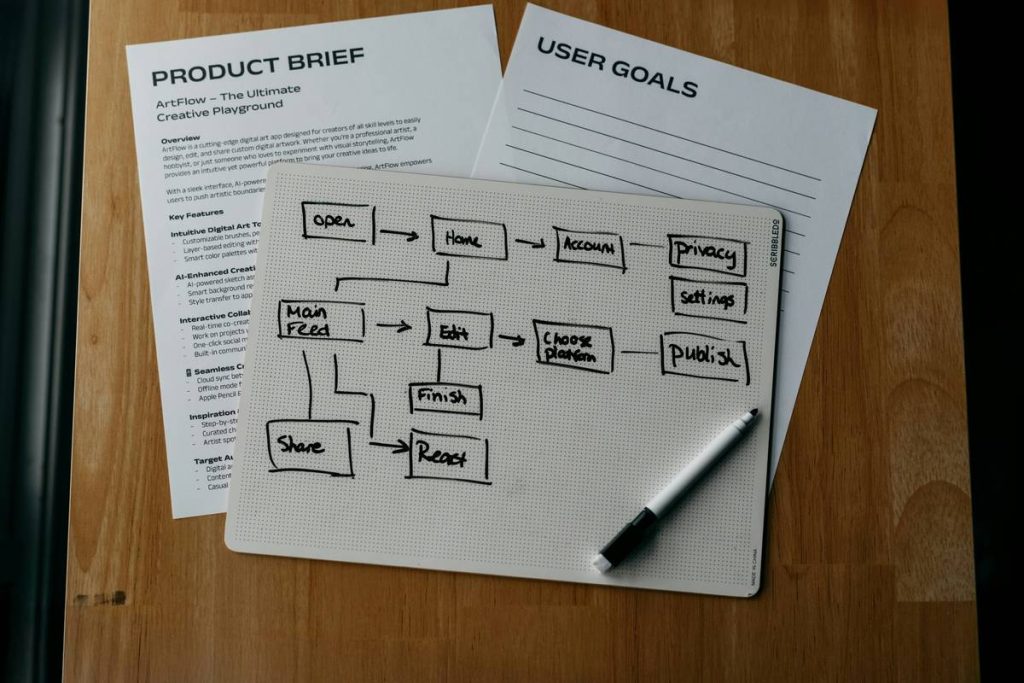
Ditch the straight-line diagram. Use tools like Hotjar or Google Analytics 4 to track actual user paths. In one audit, we found 42% of visitors viewed pricing before watching our explainer video—so we moved social proof above the fold.
Lead with Empathy, Not Offers
Your top-of-funnel content should answer unspoken fears: “Will this actually work for someone like me?” Create micro-content—short carousels, 60-second reels, or quiz-based lead magnets—that validate their struggle first.
Automate Trust, Not Just Emails
Post-opt-in, trigger a sequence that builds credibility: student testimonials, behind-the-scenes clips of your team, or free mini-lessons. At FastTocast, we share our About Us story early to humanize the brand—not as filler, but as proof we’ve walked the walk.
5 Best Practices for Funnel Optimization
- Stop calling it a “funnel.” Think “flywheel”—where happy students refer others, creating self-sustaining momentum.
- Embed trust badges early: Certifications, media logos, or enrollment numbers reduce perceived risk.
- Never gate high-value content behind forms unless you’ve built rapport first. A terrible tip? “Just add more pop-ups.” More interruptions = more exits.
- Use dynamic content: Show different headlines/offers based on traffic source (e.g., LinkedIn visitors see ROI stats; Instagram sees transformation stories).
- Track micro-conversions: Time on page, video completion, PDF downloads—these predict sales better than bounce rate alone.
Real Results: Case Study from an EdTech Brand
A client teaching digital illustration saw a 57% drop-off at the payment page. We redesigned their funnel around “the new marketing funnel” principles: added student art galleries pre-checkout, replaced stock photos with instructor demos, and simplified copy to focus on outcomes (“Draw publishable characters in 30 days”). Within 8 weeks, conversions jumped to 9.3%—and refund requests dropped by 41%. The secret? We stopped selling a course and started selling confidence.
Frequently Asked Questions
What’s the biggest difference between the traditional and new marketing funnel?
The old model assumes linear progression; the new one embraces chaos. Buyers now loop between awareness and decision, often influenced by peer reviews or UGC long after first contact.
How do I measure success in the new marketing funnel?
Focus on engagement depth (e.g., content consumed per session) and downstream actions (course starts, community joins), not just lead volume.
Is email still relevant in this model?
Absolutely—but only if messages feel human and segmented. Generic blasts kill trust. Personalized sequences based on behavior drive results.
Can small teams implement this without big budgets?
Yes. Start by auditing your current funnel with free tools like GA4 and recording user sessions. One optimized page beats ten broken ones.
Where can I learn more about ethical data use in funnels?
Review our Privacy Policy and consult the FTC’s guidelines on digital advertising transparency.
Need help customizing this for your audience?
We’ve been in your shoes—and out the other side. Contact us for a no-fluff funnel audit.
Remember: the new marketing funnel isn’t about tricks. It’s about treating your audience like humans—not targets. And if you take nothing else away, keep this haiku close:
Trust built slow, fast growth.
Looping paths, not straight lines drawn.
Learners stay when known.