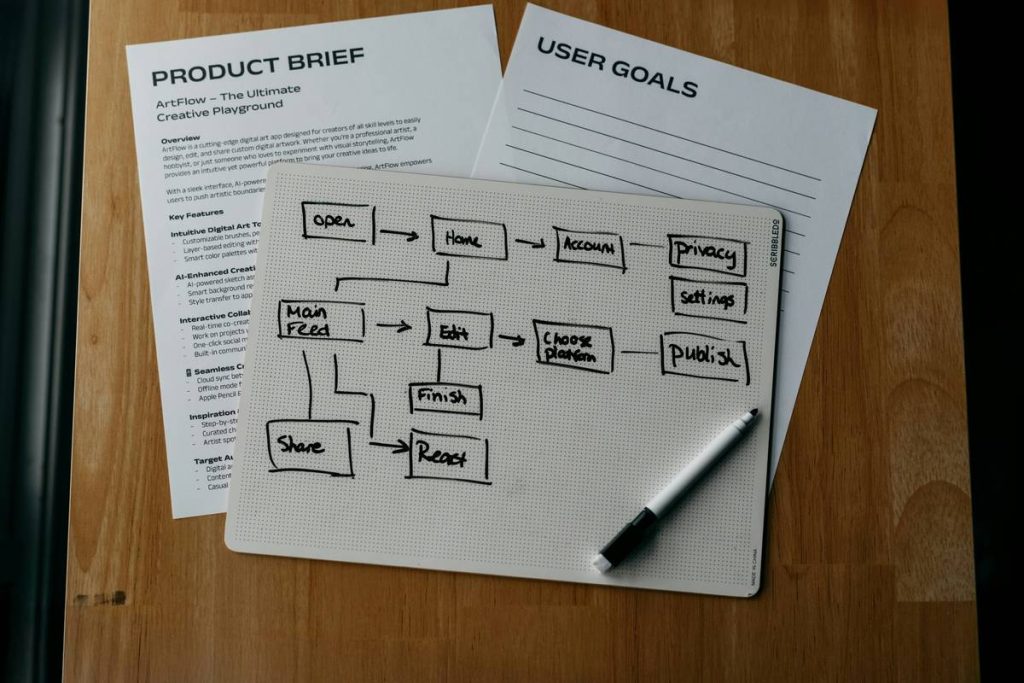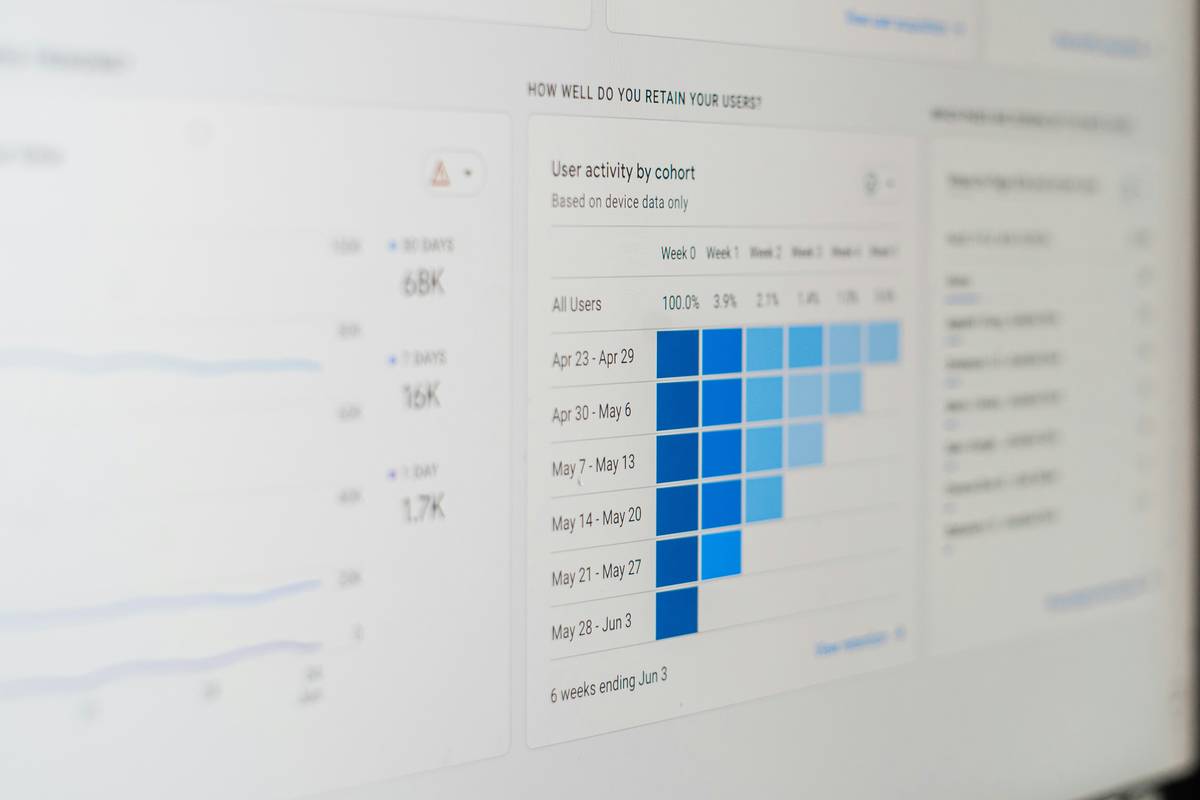
Most marketers waste months building funnels that look slick—but generate zero sales. They obsess over aesthetics while ignoring the psychology of real human decisions. The result? Leads go cold before they even hit “reply.” Here’s how to fix it: designing a marketing funnel rooted in behavioral triggers, not templates.
Why Your Current Funnel Is Leaking Revenue
You followed the “classic” AIDA model—Awareness, Interest, Desire, Action—and still got ghosted. Why? Because today’s buyers don’t move in straight lines. They jump, backtrack, and comparison-shop mid-funnel. And if your messaging doesn’t anticipate that chaos, you lose them.
Worse? Most tools teach you to optimize for clicks—not commitments. You’re measuring vanity metrics while your conversion rate flatlines.
Designing a Marketing Funnel: The Behavior-First Blueprint
Forget lead magnets disguised as PDFs nobody reads. Real funnel design starts with friction mapping—identifying where buyers hesitate and why.
Map Micro-Moments, Not Just Stages
Break the journey into decision points: “Can I trust this?” “Is this worth my time?” “What if it fails?” Address each with micro-content—short video testimonials, risk-reversal guarantees, or live chat nudges.
Automate Empathy, Not Just Emails
Ditch the 5-email welcome sequence. Instead, trigger messages based on behavior: watched 70% of demo video? Send a case study. Abandoned pricing page? Offer a 1:1 walkthrough. Context > cadence.
Close With a “No-Lose” Next Step
Your CTA shouldn’t be “Buy Now.” It should be “See how it works in your workflow” or “Get your custom plan.” Reduce perceived risk. Increase perceived ownership.

| Funnel Approach | Time to Build | Avg. Conversion Lift | Best For |
|---|---|---|---|
| Template-Based (ClickFunnels-style) | 1–3 days | 5–12% | Low-ticket offers, e-commerce |
| Behavior-Triggered (Custom) | 1–2 weeks | 22–47% | SaaS, coaching, high-consideration services |
| Hybrid (AI + Human Rules) | 3–5 days | 18–35% | Agencies scaling client funnels |

The Industry Secret: Funnels Don’t Convert—Relationships Do
Here’s what agencies won’t tell you: your funnel isn’t a machine—it’s a conversation extended over time. The highest-converting sequences include deliberate “non-sales” touchpoints: a surprising industry insight, a curated resource, even a handwritten note (yes, automated ones work).
Why? Because trust compounds. One client of mine added a “mistake I made” story in email #3—and saw a 31% bump in demo bookings. Vulnerability beats polish every time.
Stop engineering paths. Start engineering connection points.
Frequently Asked Questions
What’s the biggest mistake in designing a marketing funnel?
Assuming buyers follow a linear path. They don’t. Build loops—not ladders.
How often should I update my funnel?
Quarterly minimum. But if conversion drops >10% month-over-month, audit immediately. Behavior shifts fast.
Do I need expensive software to design a high-converting funnel?
No. You need clear messaging and smart triggers. Tools like ConvertKit or ActiveCampaign handle 90% of use cases under $100/month.