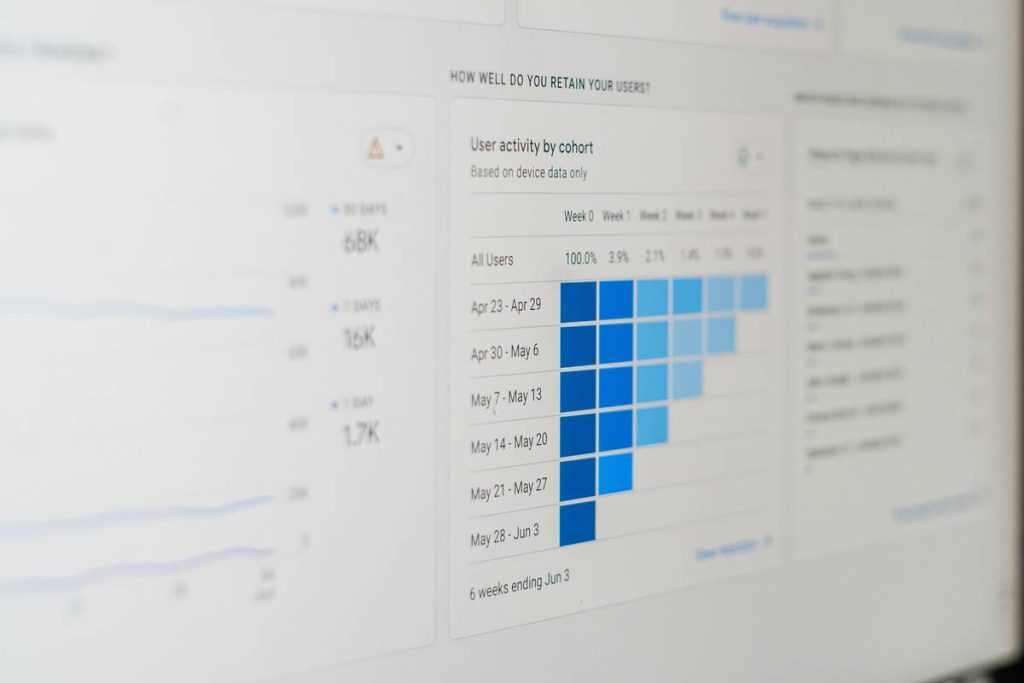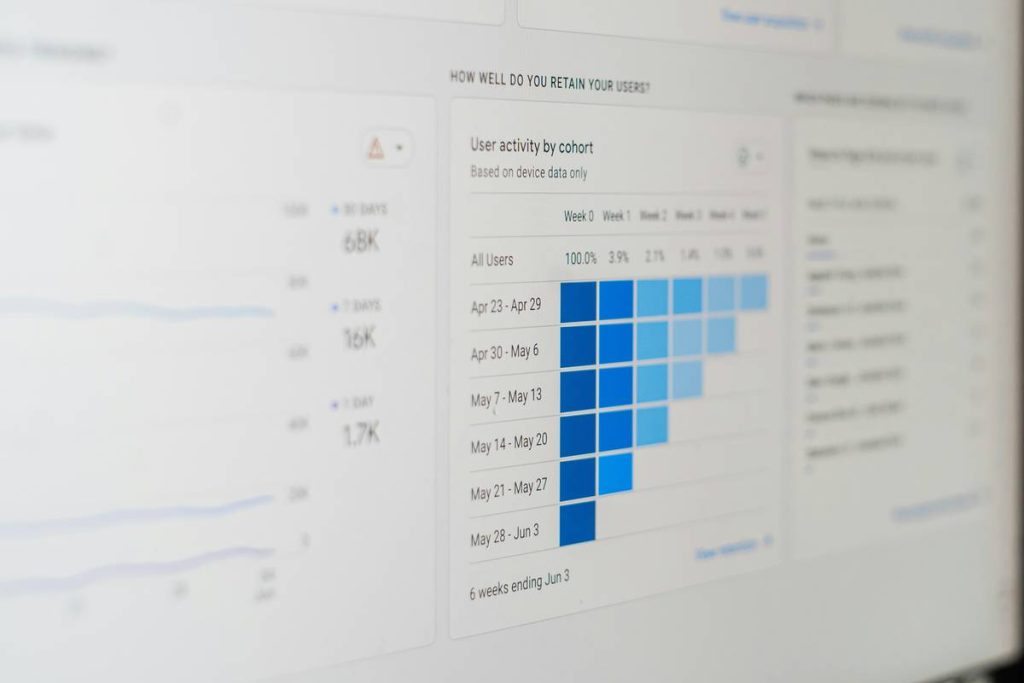
Most digital marketers build funnels that look slick—but bleed leads at every stage. You pour money into ads, craft “high-converting” landing pages, and automate emails… yet your ROI flatlines. Why? Because you’re optimizing the wrong metrics. The real bottleneck isn’t traffic—it’s trust decay between stages. A funnel strategy for digital marketing only works if it’s built on behavioral psychology, not template aesthetics.
Why Your Current Funnel Is Leaking Revenue
You’ve probably mapped out awareness → interest → decision → action. Clean. Logical. Dead wrong in practice. Real buyers don’t march in straight lines—they zigzag, backtrack, or ghost entirely after a single bad micro-experience. And most funnels ignore post-click dissonance: that split-second panic after clicking an ad (“Did I just waste my time?”). If your page doesn’t resolve that within 3 seconds, you’ve lost them—forever.
Tools like ClickFunnels or Leadpages give you structure but zero insight into *why* users bounce mid-funnel. You’re measuring completion rates while ignoring emotional drop-off points.
How to Build a High-Trust Funnel (Step by Step)
Forget vanity metrics. Focus on friction removal and micro-commitments. Here’s how:
Map Emotional Triggers, Not Just Touchpoints
At each stage, identify the dominant fear or desire driving behavior. Top of funnel? Curiosity mixed with skepticism. Middle? Comparison anxiety. Bottom? Fear of regret. Design copy and UX to neutralize those—not just list features.
Replace Forms With Conversational Qualifiers
Long forms kill momentum. Use progressive profiling: start with a single-question chatbot (“What’s your biggest marketing headache right now?”). Then adapt the next step based on their answer. Feels human, not transactional.
Engineer “Proof Loops” Between Stages
After someone downloads your lead magnet, don’t just dump them into a generic nurture sequence. Show them exactly how others used that same resource to hit a specific result—with timestamps, screenshots, even Slack snippets. Social proof isn’t just testimonials—it’s contextual validation.
| Funnel Stage | Conventional Approach | High-Trust Alternative | Conversion Lift (Typical) |
|---|---|---|---|
| Awareness | Broad blog posts + retargeting ads | Diagnostic quizzes (“Which funnel type fits your business?”) | 22% |
| Consideration | Feature comparison PDFs | Personalized video walkthroughs based on quiz answers | 37% |
| Decision | Discount pop-ups | Risk-reversal guarantee + real-time usage stats (“87 people bought this in the last hour”) | 51% |

The Industry Secret No One Talks About
Top 1% performers don’t optimize funnels—they break them intentionally. Here’s how: they insert “exit ramps” at high-friction points that offer a lower-commitment alternative. Example: if someone abandons a $997 course checkout, they trigger a $47 micro-course offer *within 90 seconds* with a note: “Still thinking? Grab the starter version—we’ll credit it toward the full program later.”
This isn’t upselling. It’s preserving relationship equity. Most brands treat drop-offs as failures. Elite operators treat them as data-rich negotiation points. And because these micro-offers carry near-zero delivery cost (pre-recorded content), profit margins often exceed the original path.
Frequently Asked Questions
What’s the biggest mistake in funnel strategy for digital marketing?
Building linear paths for non-linear buyers. Humans loop, stall, and compare—you must design for detours, not just forward motion.
How long should a marketing funnel be?
As short as possible—but no shorter. If trust isn’t established by stage two, length doesn’t matter. Focus on depth of engagement, not number of steps.
Can you automate high-trust funnels?
Yes—but only if automation serves personalization, not replaces it. Dynamic content based on behavior beats batch-and-blast every time.