Most marketers build funnels that leak like sieves. They invest in ads, content, and automation—only to watch leads vanish before the sale. The problem isn’t effort. It’s architecture. Creating a digital marketing funnel without behavioral psychology baked in is like building a racecar with square wheels. Here’s how to fix it—and keep your prospects moving forward.
Why Your Current Funnel Is Failing (Even If It Looks “Textbook”)
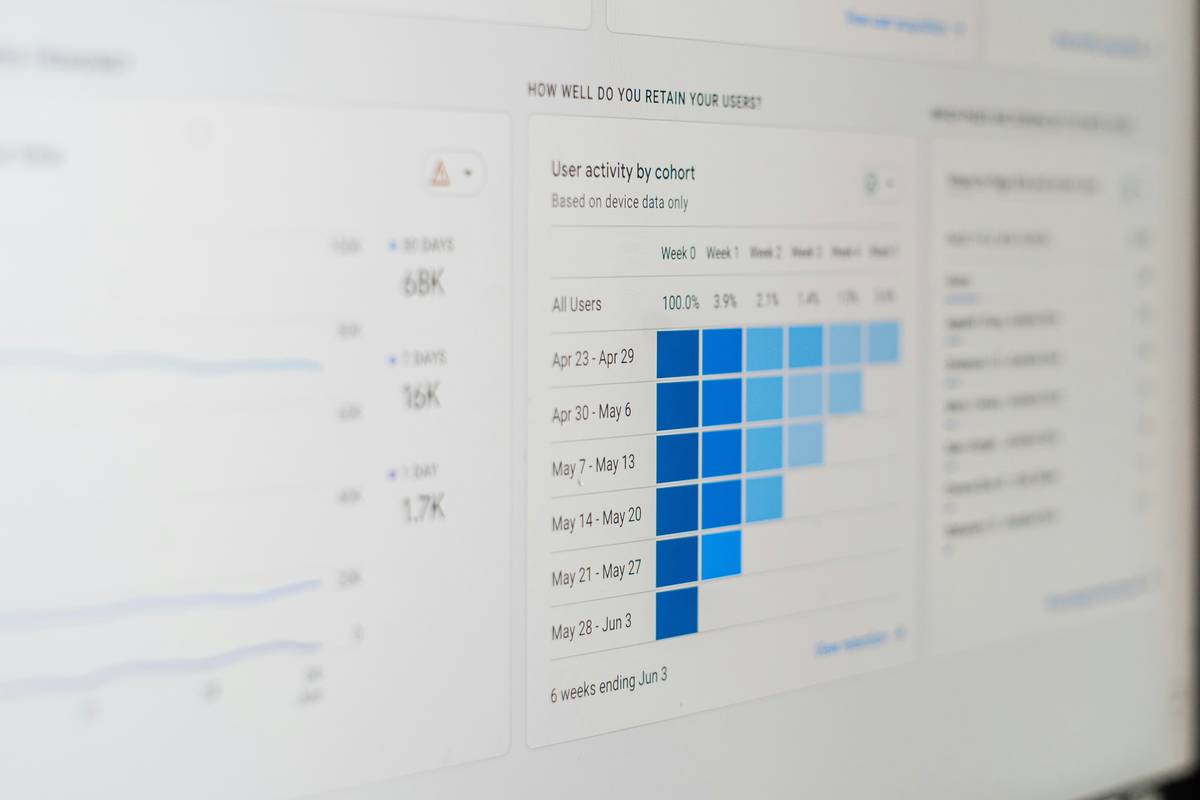
Standard funnel templates ignore friction points most businesses never measure. You track clicks, not confusion. You count form submissions, not hesitation. And that’s fatal.
Consider this: 73% of visitors abandon landing pages within 10 seconds—not because they dislike your offer, but because they don’t instantly understand what happens next. Your funnel assumes rationality. Real humans operate on instinct, doubt, and distraction.
And here’s the kicker—most “optimized” funnels over-engineer the top and under-nurture the middle. Leads enter enthusiastically… then drown in silence between awareness and decision.
Creating a Digital Marketing Funnel: A Step-by-Step Blueprint Built for Human Behavior
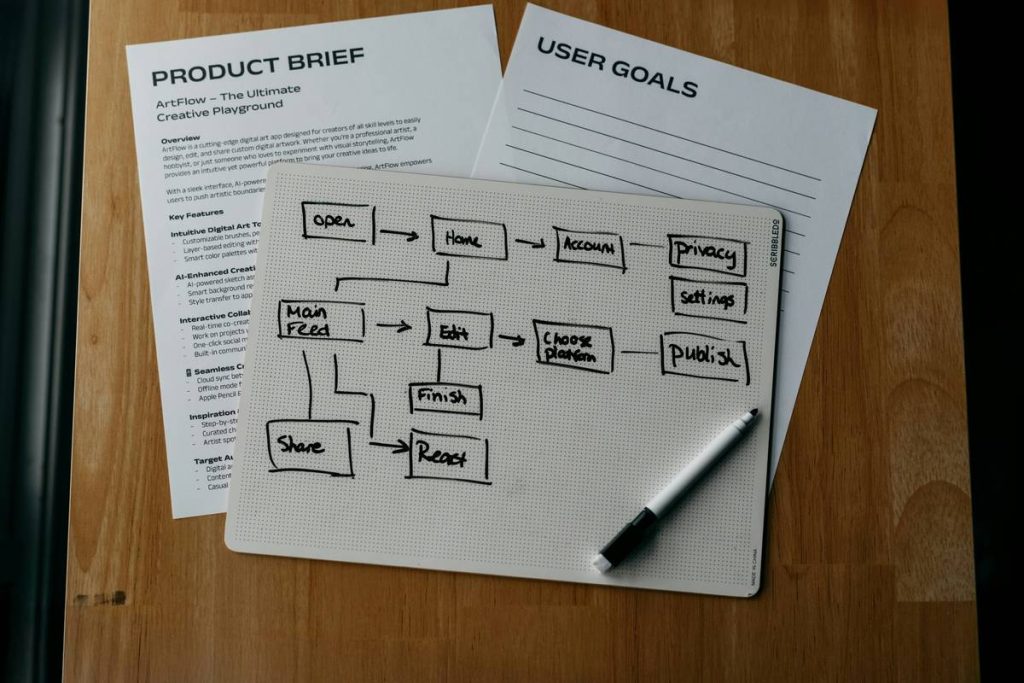
Forget linear stages. Modern buyers zigzag. Your job isn’t to force them down a path—it’s to remove roadblocks wherever they stall.
Stage 1: Hook With Micro-Commitments (Not Hard Sells)
Instead of pushing for email signups upfront, ask for tiny yeses. “Watch a 60-second demo?” or “Take our 2-question quiz?” These low-risk actions build momentum—neurologically priming users to say yes again later.
Stage 2: Map Friction, Not Just Metrics
Use session replay tools to spot where users pause, scroll back, or rage-click. That’s your real bottleneck—not bounce rate averages. Fix those moments with contextual help (e.g., a tooltip explaining pricing tiers right where eyes linger).
Stage 3: Automate Empathy, Not Just Emails
Your follow-up sequence should react to behavior, not just time. Did they watch 80% of your explainer video but not click? Trigger a message offering a live walkthrough. Skipped the case study? Send a testimonial clip instead.

| Funnel Approach | Time to Implement | Estimated Cost/Mo | Conversion Lift Potential |
|---|---|---|---|
| Template-Based (e.g., ClickFunnels) | 1–3 days | $97–$297 | 5–12% |
| Behavior-Adaptive (Custom + Tools) | 7–14 days | $300–$1,200 | 22–47% |
| Static Lead Magnet Funnel | 1 day | $0–$50 | 2–6% |
The Industry Secret: Funnels Don’t Convert—Conversations Do
Here’s what agency playbooks won’t tell you: the highest-converting “funnels” aren’t automated sequences at all. They’re hybrid human-digital loops. Example: A SaaS company added a 1-click Calendly link after their second email—if the lead hadn’t converted. Result? 31% booked calls, and 68% of those became customers. Why? Because automation builds scale; humans build trust.
Think about it. No AI chatbot closes complex sales. But a timely human touch at the exact moment of doubt? That’s your unfair advantage. Embed micro-conversations—not just broadcasts—into your flow.
Frequently Asked Questions
What’s the biggest mistake when creating a digital marketing funnel?
Building for logic instead of emotion. People buy on feeling, then justify with facts. Your funnel must soothe anxiety before pitching features.
How long should a digital marketing funnel be?
As short as possible—but no shorter. If your offer requires education, forcing a 1-step close backfires. Match funnel length to buyer readiness, not your impatience.
Can I use free tools to build an effective funnel?
Yes—for testing. Use MailerLite for emails, Carrd for landing pages, and Google Analytics for tracking. But expect manual work. Scale demands integration.